Revamp Your Attic: Why Rooflights Are the Key to Value and Light
Renovating an attic with rooflights presents an opportunity to elevate both light and space. The introduction of these features not only brightens the environment but also adds significant value to a property. As natural light enhances mood and energy efficiency, it becomes clear that rooflights can reimagine underutilized areas. Yet, the selection of rooflight and design can be critical. What factors should one take into account when beginning this project?
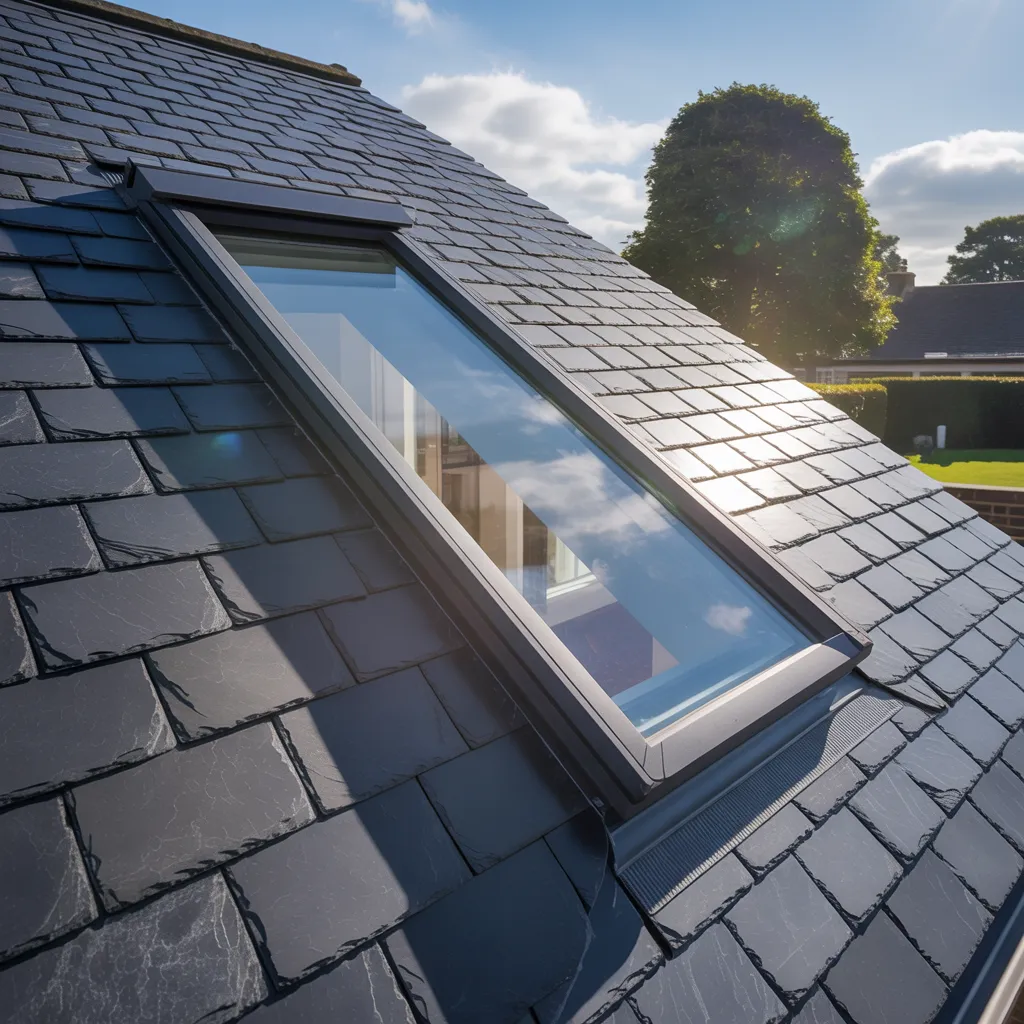
The Benefits of Choosing Rooflights for Your Attic Transformation
Why are rooflights perfect for transforming an attic? Rooflights play a central role in transforming a neglected attic space into a bright, practical living area. They significantly boost natural light levels, fostering an open, spacious feel that can profoundly elevate the overall look and ambiance. This abundance of natural light not only boosts morale but also aids in decreasing dependence on artificial lighting, supporting energy savings.
Moreover, rooflights can enhance a home's worth. Interested buyers often desire homes with bright spaces, making an attic conversion more enticing. The well-planned placement of rooflights can also offer stunning views of the sky, adding a special charm to the attic.
Additionally, rooflights promote ventilation, boosting air circulation and preserving a comfortable environment. To conclude, adding rooflights into an attic makeover is a sensible choice that unites visual appeal, sustainable energy use, and increased property desirability.
Different Kinds of Rooflights: Selecting the Best Option?
Selecting the most suitable style of rooflight can greatly impact the overall success of an attic conversion. Various options are available, each offering distinct qualities. Fixed rooflights are favored for their simplicity and efficiency in illuminating spaces, while opening rooflights provide ventilation in addition to natural light, enhancing air quality. For those seeking a modern touch, skylights come in various designs and materials, allowing customization to match the attic's appearance.
Dome rooflights, commonly installed on horizontal roof surfaces, are effective for maximizing light intake and can be configured in various arrangements. Furthermore, tube rooflights are perfect for confined areas, guiding daylight via reflective tubing. When selecting a rooflight, considerations such as size, orientation, and the attic's layout are crucial. In the end, the best option not only improves the room's natural light levels but also supports its overall practicality and visual appeal.
Natural Light and Its Impact on Well-Being
Natural light plays a vital role in boosting overall well-being. Exposure to natural light has been linked to improved mood and increased energy levels. Research indicates that natural light can profoundly influence mental health, reducing symptoms of anxiety and depression. By saturating spaces with sunlight, individuals often enjoy enhanced serotonin production, which fosters feelings of joy and calmness.
Furthermore, natural light assists with the management of circadian rhythms, facilitating better sleep patterns. This physiological harmony nurtures a feeling of balance and rejuvenation, which is essential for general well-being. In areas such as attics, incorporating rooflights can enhance sunlight penetration, creating a more inviting and soothing environment. The cognitive benefits of natural light extend beyond mere aesthetics, influencing productivity and creativity as well. Consequently, enhancing living spaces with rooflights can contribute positively to an individual's mental and physical wellness.
How Rooflights Boost Your Property Value
Installing rooflights in an attic transforms the space into a bright, airy retreat that can significantly boost the value of a property. By permitting natural light to pour in, rooflights enhance the overall appeal of a home, making it more attractive to potential buyers. This feature not only develops a more appealing ambiance but also highlights the practical space that an attic can offer.
Home purchasers commonly search for properties with unique features that set themselves apart from other listings. Roof windows can function as a key design element, demonstrating thoughtful architectural planning and enhancing the visual appeal. Additionally, well-lit spaces tend to feel larger, thus improving the apparent size of the home.
In addition, energy consumption can be reduced through the adoption of advanced rooflight systems, which are likely to interest green-conscious property buyers. At the end of the day, the installation of rooflight systems transforms a previously unused space into a valuable functional space, enhancing the home's saleability and market worth.
Creative Decorating Ideas for Your Attic Space
When thinking about creative design ideas for an attic space, distinctive lighting options can dramatically enhance the overall feel. Moreover, converting the space into versatile areas allows for greater utility, serving diverse purposes. An inviting reading corner can serve as an ideal escape, combining elegance with relaxation.
Unique Lighting Solutions
In what ways can creative lighting convert an attic into an inviting sanctuary? By implementing creative lighting strategies, homeowners can greatly enhance the ambiance and functionality of their attic spaces. Thoughtful installation of LED strip lights along beams or shelves can generate a warm, appealing radiance, whereas hanging pendant lights can act as eye-catching centerpieces. Skylights not only provide natural light but also make spaces feel larger and more open. Incorporating dimmable fixtures allows for versatile lighting, allowing occupants to modify the atmosphere based on the hour or event. Additionally, using decorative lamps or wall sconces can add personality, transforming the attic into a comfortable retreat. Ultimately, thoughtful lighting design elevates the aesthetic appeal and usability of the attic.
Multi-Functional Spaces
Creative lighting solutions not only enhance the aesthetic of an attic while also set the stage for inspired design choices. Through the use of quality rooflights, attics have the potential to evolve into multi-functional spaces that cater to various needs. For instance, a light-filled, open environment can serve as a personal workspace in the daytime hours, while gentle, dimmable lighting can cultivate a welcoming social space in the evening. Adding modular furniture allows for effortless rearrangement, supporting activities ranging from fitness routines to entertaining family evenings. By blending practicality with visual appeal, a thoughtfully planned attic can achieve full functionality without sacrificing elegance. Consequently, the potential for reinvention know no bounds but creativity, making attics valuable assets in modern homes.
Charming Reading Spaces
Designing a inviting reading nook in an attic can transform an underutilized space into a peaceful escape, designed for leaving behind the stress of everyday life. Thoughtfully positioned rooflights can illuminate the nook with natural light, amplifying its appealing atmosphere. Decorating the nook with a relaxing armchair or daybed, soft cushions, and a snug throw crafts an excellent spot for rest. Adding bookshelves, whether custom-built or standalone, enables easy access to a handpicked selection practical guide of reading content. Introducing individual elements, such as artwork or decorative lighting, additionally elevates the nook's appeal. This thoughtful design not only enhances the area's appeal but also adds to the residence's market value, making it a rewarding investment.
Essential Installation Tips for a Successful Rooflight Project
When organizing a rooflight fitting, picking the most suitable position is essential for enhancing natural light intake and improving the room's ambiance. Hiring skilled professionals confirms that the installation is completed safely and effectively. Additionally, adequate insulation is essential to maintain energy efficiency and comfort in the upgraded loft space.
Select The Ideal Location
Selecting the ideal position for a rooflight is important to maximizing both daylight and aesthetic appeal in an attic conversion. In an ideal scenario, rooflights should be situated to harness the most natural light throughout the day, typically on the southward-facing side of the roof. This positioning not only boosts natural lighting but also minimises the need for artificial lighting. Additionally, taking into account the existing roof structure and potential obstructions, such as chimneys or trees, is important. Rooflights should be fitted in areas that align with the intended use of the space, whether for a living area. This strategic positioning guarantees a balance between usability and aesthetic appeal, ultimately improving the overall ambiance of the attic.
Employ Skilled Experts
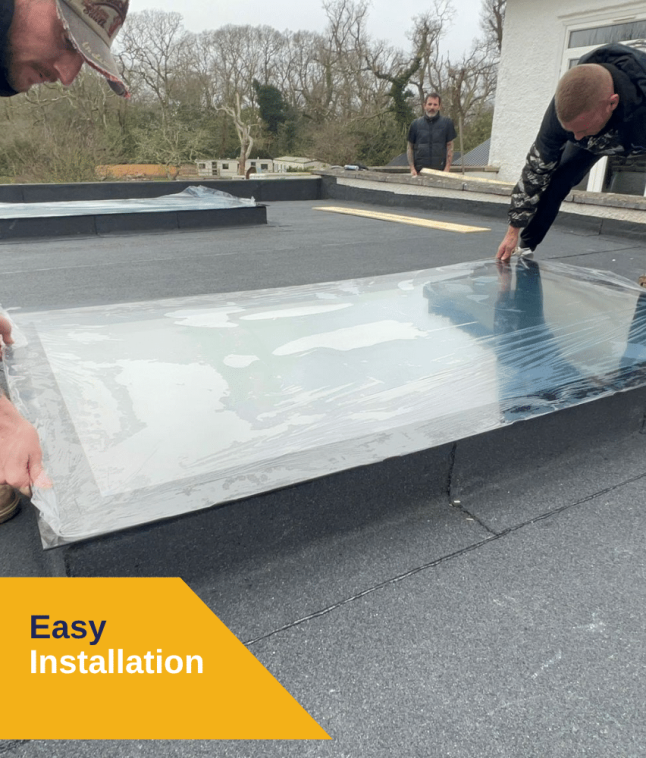
Engaging experienced installers is essential for a smooth rooflight installation. Their expertise guarantees that the project complies with local building requirements and safety protocols. Qualified contractors can effectively assess the structural stability of the roof, detecting potential issues that may emerge during installation. They possess the necessary tools and practices to reduce disruption to the existing space while creating a professional finish. In addition, knowledgeable professionals can offer valuable guidance into optimal placements and design solutions, improving both aesthetics and performance. It is wise to obtain recommendations and evaluate previous work to ensure the selected professionals has a demonstrated track record. Overall, working with qualified professionals not only secures the installation process but also adds significantly to the rooflight's enduring value and quality.
Maintain Adequate Insulation
Ensuring proper insulation is essential for enhancing energy efficiency in a rooflight installation. It reduces heat loss throughout the winter months and decreases heat gain in the summer months. Homeowners should first assess the existing insulation in the attic, confirming it satisfies the recommended R-values for their location. Transitioning to superior insulation materials can substantially boost effectiveness. During installation, care must be taken to seal any gaps or leaks around the rooflight, as such issues can reduce the efficiency of the insulation. Furthermore, incorporating reflective insulation materials can assist in controlling temperature fluctuations. Adequate ventilation must not be neglected, as it aids in maintaining a balanced environment. By emphasizing insulation, homeowners can experience a comfortable home environment while fully realizing the value their rooflight delivers.
Frequently Asked Questions
What Energy Efficiency Advantages Do Rooflights Offer?
Roof lights improve energy savings by optimizing natural light, minimizing the need for artificial lighting. They enhance airflow, assisting in controlling indoor temperature, and can contribute to decreased energy bills, promoting sustainable living while improving general comfort levels.
Do Rooflights Need Special Maintenance?
Rooflights generally require minimal maintenance, typically involving regular cleaning and checks for leaks. Ensuring proper sealing and addressing any issues promptly can enhance their longevity and performance, supporting energy efficiency and visual appeal.
Do Rooflights Help Cut Heating Costs?
Rooflights are genuinely effective at reducing heating costs by allowing natural light to warm spaces during the day. This enhanced exposure to sunlight can lessen the need for artificial heating, leading to potential energy savings over time.
Are Rooflights Suitable for All Types of Roofs?
Rooflights cannot be considered a universal solution for all roof types. Their effectiveness depends on factors such as roof pitch, material, and structural integrity, requiring careful consideration and professional assessment for ideal installation and performance.
What Building Regulations Govern the Installation of Rooflights?
Building codes for the installation of rooflights generally encompass factors involving structural integrity, fire safety, and energy efficiency. Regulatory bodies might demand planning permission, guaranteeing adherence to standards that protect the structure and its inhabitants.